A Practical Plan for Managing Weight Loss Medication Side Effects
Mild symptoms can often be reduced with meal, fluid, bowel, and dosing adjustments approved by the prescriber. Persistent, severe, or rapidly worsening symptoms need evaluation because they may represent more than routine treatment discomfort. Ask how the plan will protect protein intake and hydration, particularly if medication reduces appetite or causes nausea.
Nausea, fullness, reflux, and vomiting
Eat slowly, use smaller portions, and stop at the first sign of comfortable fullness. Heavy, greasy, very spicy, or unusually large meals can intensify nausea and reflux for some people, particularly after a GLP-1 dose increase.
Take small, frequent sips of fluid rather than forcing a large volume at once. Call the prescriber if vomiting recurs, you cannot keep fluids down, urine output falls, or lightheadedness appears.
- Choose simple, lower-fat foods while symptoms are active
- Avoid lying flat immediately after eating
- Do not take another dose early to compensate for vomiting
- Ask before using anti-nausea medicine because it may add constipation or interact with other drugs
When nausea is not routine
Nausea with severe persistent abdominal pain, fever, a swollen abdomen, jaundice, or pain extending to the back needs prompt assessment. Do not assume these symptoms are merely evidence that the medication is working.
Constipation and diarrhea
For constipation, regular fluids, gradual dietary fiber, and walking can help if they are appropriate for your health. Increasing fiber abruptly when dehydrated or severely bloated can make discomfort worse, so ask about an osmotic laxative or other treatment if basic measures fail.
For diarrhea, prioritize fluid and electrolyte replacement and temporarily avoid foods that clearly trigger symptoms. Blood in the stool, black stool, fever, severe pain, faintness, or ongoing watery diarrhea warrants medical advice. A supplement does not share the testing or approval pathway of a prescription medicine, so compare them in separate categories.
- Track the last bowel movement and whether gas is passing
- Seek urgent help for severe swelling, repeated vomiting, or inability to pass stool or gas
- Do not use repeated laxative or antidiarrheal doses without checking the label and interactions
- With orlistat, reducing meal fat can limit oily leakage and urgency
Recommended Products
Fatigue, dizziness, headache, and low blood sugar
Fatigue or headache may follow reduced food intake, dehydration, sleep disruption, or a medication effect. Dizziness on standing can also reflect low blood pressure, while sweating, shaking, confusion, or sudden weakness can indicate hypoglycemia in people using glucose-lowering medicine.
People taking insulin or sulfonylureas may need closer glucose monitoring and clinician-directed dose adjustment when weight loss treatment reduces food intake. Follow the personal low-blood-sugar plan listed by the diabetes care team rather than improvising medication changes.
- Check blood glucose during symptoms if you have a meter and monitoring plan
- Rise slowly and avoid driving if dizzy or confused
- Record blood pressure or pulse if your clinician requested it
- Seek immediate help for fainting, severe confusion, seizure, chest pain, or stroke-like symptoms
Injection-site reactions and medication errors
Mild redness, itching, or tenderness around an injection site may settle without treatment. Rotate approved injection sites, use a new needle when applicable, and follow the product's storage and administration instructions.
Spreading redness, warmth, pus, fever, extensive hives, facial swelling, or breathing difficulty is not a routine injection reaction. Confusion between products or strengths can also cause overdosing, so contact poison control, the prescriber, or emergency services according to the symptoms.
- Confirm the product name and strength before every injection
- Do not share pens or needles
- Do not use compounded or transferred medication without clear dosing instructions
- Keep a photograph of the package and current dose for emergency reference
Prepare for the prescriber call
A concise report helps the care team decide whether to monitor, treat a symptom, delay escalation, reduce a dose, or stop the drug. Include the exact medicine, strength, last dose, symptom start time, severity, fluid intake, urine output, bowel pattern, and other medicines taken.
Do not conceal supplements, gummies, drops, or coffee additives. Multi-ingredient products can change the interpretation of palpitations, diarrhea, liver-test abnormalities, or blood glucose changes.
- What changed: new drug, higher dose, missed dose, or added supplement?
- Can you drink, urinate, eat, and perform normal activities?
- Is there fever, severe pain, jaundice, fainting, bleeding, or a mood crisis?
- What guidance do you need before the next scheduled dose?
Supplements for Weight Loss Medication Side Effects

LivPure
Milk-thistle silymarin, betaine, berberine and glutathione give LivPure its liver-support focus, alongside antioxidants from green tea. The blend emphasizes a healthy liver environment for processing fats and nutrients, with green-tea polyphenols contributing additional plant antioxidants. With weight loss medication side effects, berberine and concentrated botanical extracts deserve a medication-interaction check before use.
Ikaria Juice
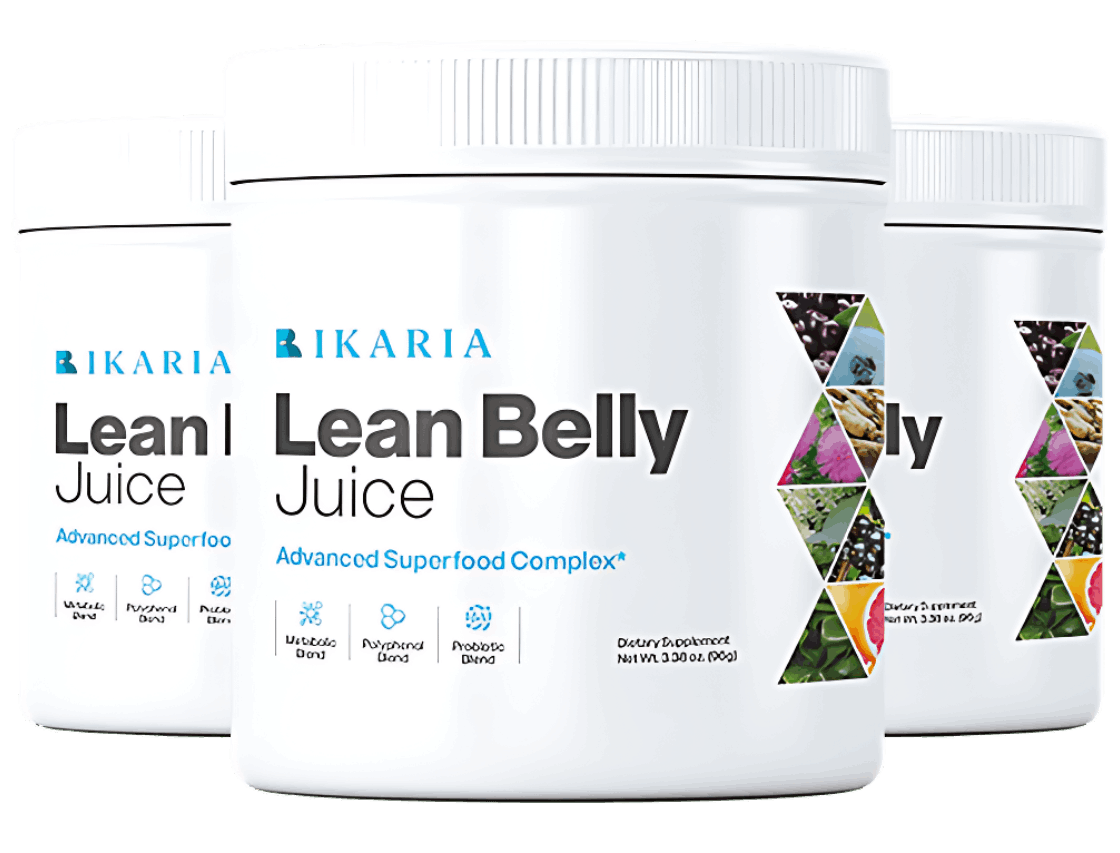
Ikaria Juice combines green-tea polyphenols, citrus pectin, turmeric, dandelion and milk thistle with inulin and a multi-strain probiotic blend. Inulin helps nourish beneficial gut bacteria; the fruit and green-tea extracts add an antioxidant-focused complement. During weight loss medication side effects, inulin and probiotic cultures may affect gastrointestinal comfort, so tolerance and current medicines matter.
Metabo Drops
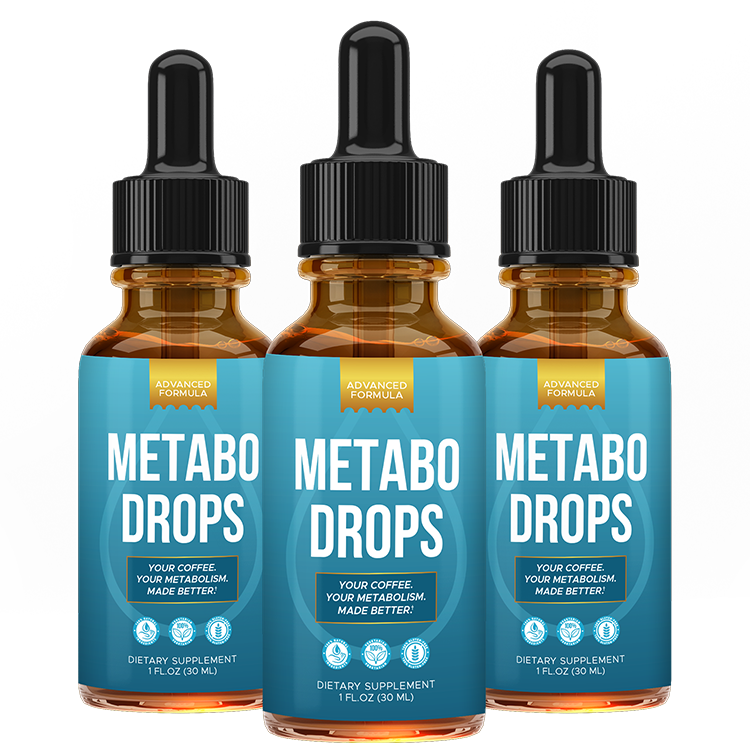
Metabo Drops is a coffee-mix formula combining chromium for normal macronutrient metabolism with chlorogenic acid, green tea, L-carnitine and L-theanine. Chromium contributes to normal macronutrient metabolism, L-carnitine participates in fatty-acid transport, and L-theanine supports calm focus with coffee. Alongside weight loss medication side effects, review chromium, green-tea extracts and total coffee caffeine with the prescribing clinician.
Java Burn
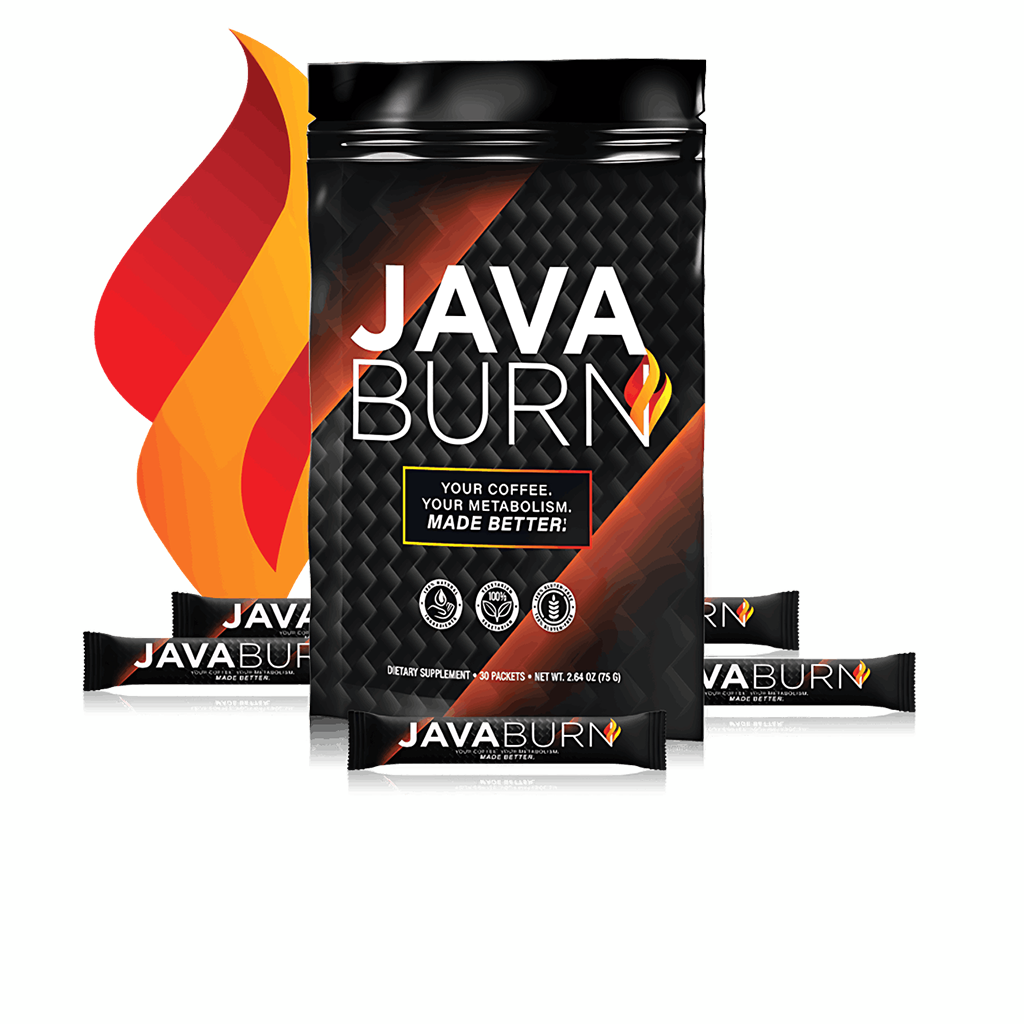
Java Burn combines green tea catechins and chlorogenic acids with chromium, L-carnitine and L-theanine in a single-serving coffee powder. L-carnitine participates in fatty-acid transport, while L-theanine is intended to complement coffee alertness with a calmer focus. Alongside weight loss medication side effects, review chromium, green-tea extracts and total coffee caffeine with the prescribing clinician.

HepatoBurn
HepatoBurn centers on liver wellness and normal fat processing, with silymarin, choline, betaine, berberine and green-tea polyphenols. Milk thistle and glutathione focus on liver antioxidant health, with berberine and choline adding a nutrient-metabolism component. With weight loss medication side effects, berberine and concentrated botanical extracts deserve a medication-interaction check before use.

AquaBurn
AquaBurn combines green-tea catechins, resveratrol, fucoxanthin from seaweed, quercetin, ginger, ginseng and turmeric. Green-tea catechins and seaweed-derived fucoxanthin provide the formula’s thermogenesis-oriented angle, while ginger contributes digestive support. With weight loss medication side effects, check the concentrated plant extracts for interactions with prescribed treatment.
Flat Belly Shake
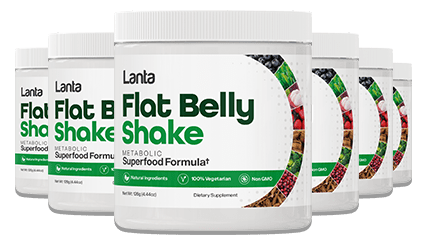
Flat Belly Shake is a powdered drink intended for a convenient, portion-conscious breakfast or snack routine. Its measured drink format is useful for setting a consistent portion, especially when breakfast is routinely skipped or replaced with unplanned snacks. For weight loss medication side effects, new products should be checked against prescription directions and nutrient needs.

Nagano Tonic
Nagano Tonic is a powdered drink mix made with botanicals and nutrients including camu camu, green-tea EGCG, mangosteen, ginger and inulin. Its formula is promoted for daily metabolic, energy and digestive support; it is not a substitute for balanced nutrition or medical care. When comparing options alongside weight loss medication side effects, review the ingredient label and seller terms before ordering.
Frequently Asked Questions
Try small portions of simple, lower-fat foods and stop eating when comfortably full. Sip fluids throughout the day and contact the prescriber if you cannot maintain hydration or symptoms remain significant.
A pharmacist or prescriber can recommend an option based on your medicines and symptoms. Severe pain, vomiting, abdominal swelling, or inability to pass stool or gas should be evaluated before self-treating.
Contact the prescriber for instructions before the next dose. If symptoms suggest an emergency, obtain urgent care first rather than waiting for routine office guidance.