Weight Loss Medication Side Effects: What Is Common, What Is Serious, and What to Do
Weight loss medications can cause effects ranging from temporary nausea or diarrhea to uncommon problems that require urgent care. The right response depends on the drug, the timing of symptoms, their severity, and your other medical conditions. Ask how the plan will protect protein intake and hydration, particularly if medication reduces appetite or causes nausea.
The most common side effects
Digestive symptoms are especially common with GLP-1 and GIP/GLP-1 medications such as semaglutide and tirzepatide. Nausea, early fullness, reflux, constipation, diarrhea, and vomiting often appear after treatment begins or a dose increases.
Other drug classes produce different patterns. Orlistat can cause oily spotting, gas with discharge, and urgent bowel movements, while stimulant-containing treatments may cause dry mouth, insomnia, a faster pulse, or increased blood pressure.
- Nausea or feeling full after a small meal
- Constipation, loose stools, or abdominal discomfort
- Headache, fatigue, dizziness, or dry mouth
- Sleep changes, anxiety, or a faster heartbeat with some medications
- Oily stool and bowel urgency with orlistat
Side effect or intended effect?
Reduced appetite and earlier fullness may be intended treatment effects, but an inability to eat or drink normally is not. Repeated vomiting, marked weakness, or signs of dehydration deserve prompt medical advice. Ask how the plan will protect protein intake and hydration, particularly if medication reduces appetite or causes nausea.
Warning signs that should not be watched at home
Severe symptoms are not something to manage by simply skipping meals or adding a supplement. Contact the prescriber promptly for persistent vomiting, worsening mood, a racing heartbeat, yellowing of the skin or eyes, or pain that is intense or does not improve.
Call 911 for difficulty breathing, swelling of the face or throat, fainting, chest pain, or other signs of a severe allergic or cardiovascular reaction.
- Severe or persistent upper abdominal pain, particularly if it reaches the back
- Right-upper abdominal pain with fever, vomiting, or jaundice
- Very little urine, confusion, faintness, or inability to keep fluids down
- New suicidal thoughts, dangerous agitation, or an abrupt severe mood change
- Sudden vision loss or a major new vision disturbance
Why abdominal pain needs context
Mild cramping can accompany constipation or diarrhea, but severe persistent pain can signal gallbladder disease, pancreatitis, obstruction, or another unrelated emergency. Location, duration, fever, vomiting, and stool changes help a clinician judge the risk.
Supplements for Weight Loss Medication Side Effects

LivPure
Milk-thistle silymarin, betaine, berberine and glutathione give LivPure its liver-support focus, alongside antioxidants from green tea. Silymarin and glutathione contribute antioxidant support, while betaine and choline are involved in normal liver fat processing. With weight loss medication side effects, berberine and concentrated botanical extracts deserve a medication-interaction check before use.
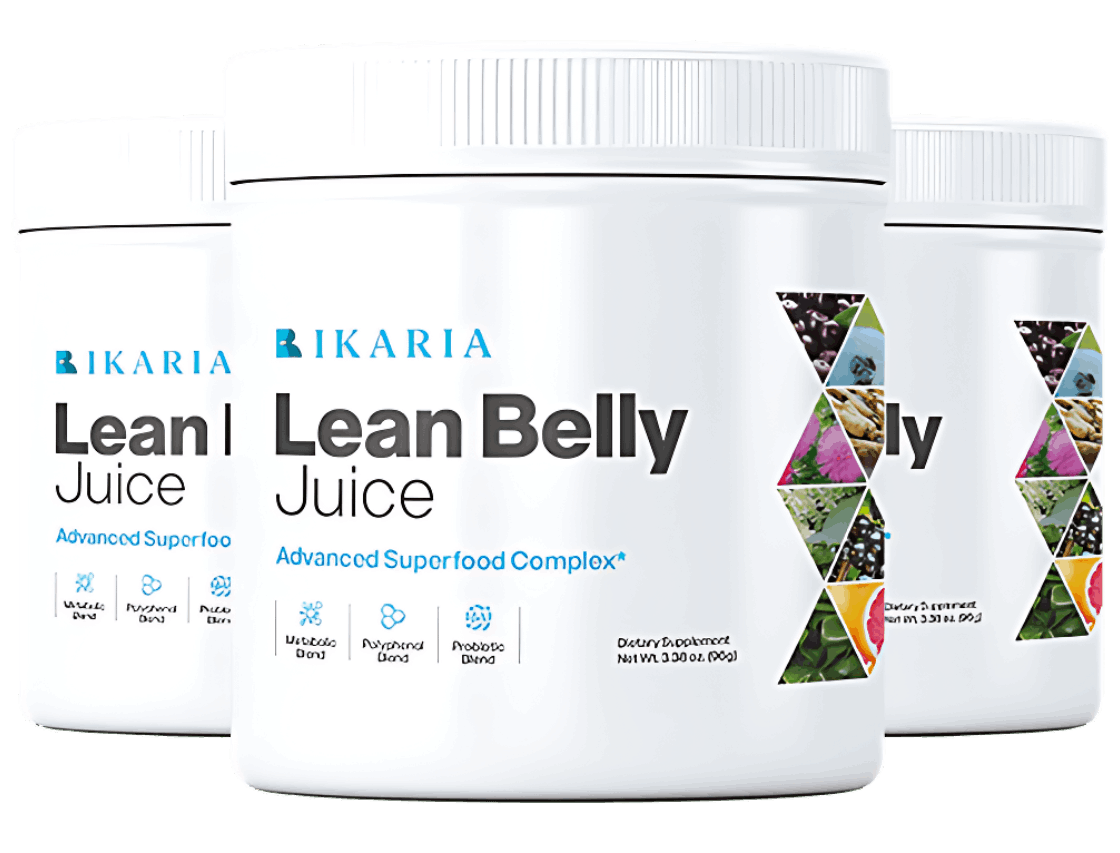
Ikaria Juice
Ikaria Juice combines green-tea polyphenols, citrus pectin, turmeric, dandelion and milk thistle with inulin and a multi-strain probiotic blend. Prebiotic inulin and the probiotic blend address digestive balance, while green tea and citrus pectin add distinct botanical and fiber components. During weight loss medication side effects, inulin and probiotic cultures may affect gastrointestinal comfort, so tolerance and current medicines matter.
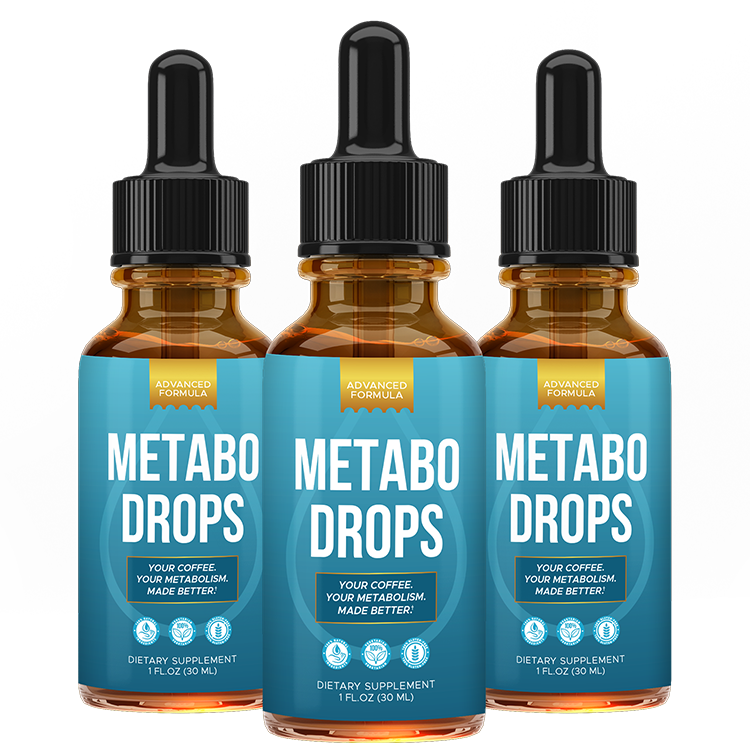
Metabo Drops
Metabo Drops is a coffee-mix formula combining chromium for normal macronutrient metabolism with chlorogenic acid, green tea, L-carnitine and L-theanine. Chromium contributes to normal macronutrient metabolism, L-carnitine participates in fatty-acid transport, and L-theanine supports calm focus with coffee. Alongside weight loss medication side effects, review chromium, green-tea extracts and total coffee caffeine with the prescribing clinician.
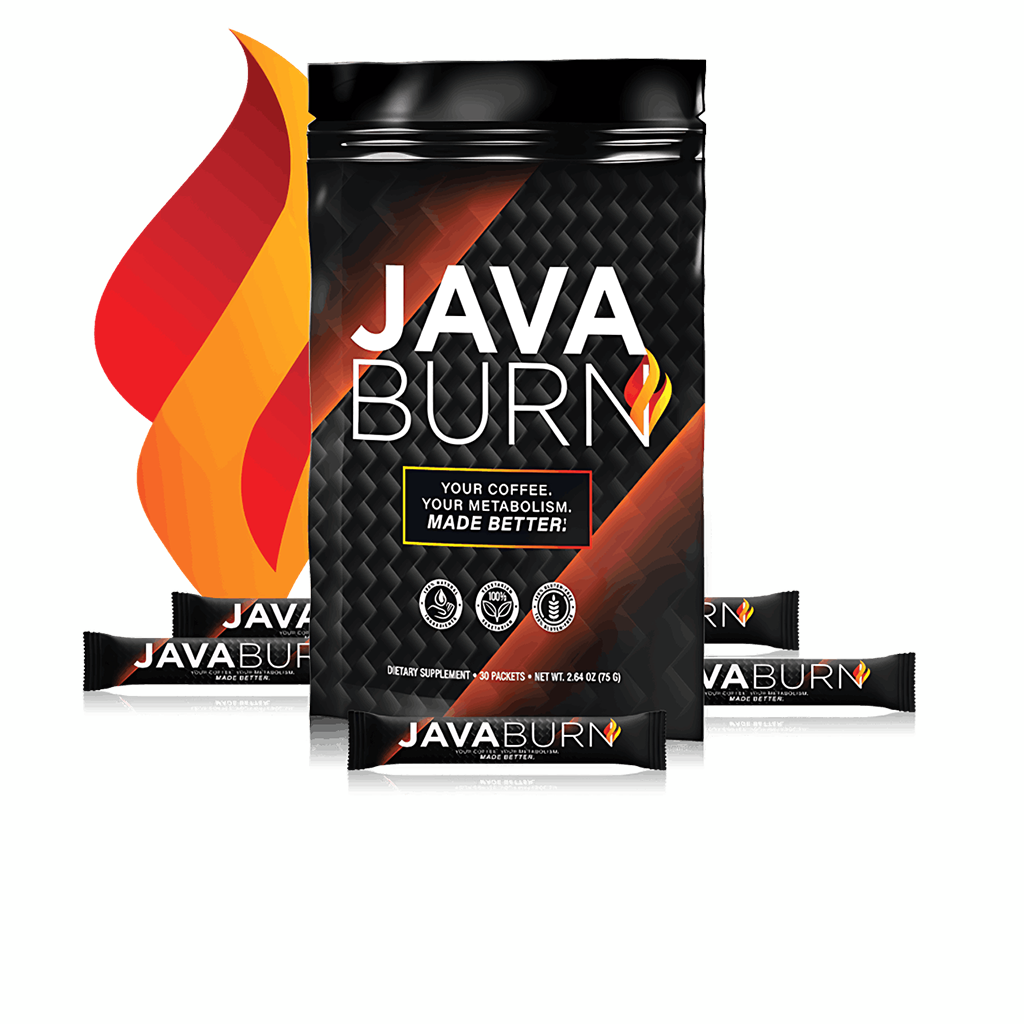
Java Burn
Java Burn combines green tea catechins and chlorogenic acids with chromium, L-carnitine and L-theanine in a single-serving coffee powder. The formula pairs a coffee-friendly metabolic blend with L-theanine for focus and B vitamins for normal energy-yielding metabolism. Alongside weight loss medication side effects, review chromium, green-tea extracts and total coffee caffeine with the prescribing clinician.

HepatoBurn
HepatoBurn brings silymarin, glutathione, berberine and choline into a multi-ingredient formula for liver-related metabolic and antioxidant support. Choline and betaine support normal liver lipid metabolism, while silymarin, glutathione and resveratrol add an antioxidant emphasis. With weight loss medication side effects, berberine and concentrated botanical extracts deserve a medication-interaction check before use.

AquaBurn
The AquaBurn botanical blend contains fucoxanthin, green tea, quercetin, resveratrol and turmeric, with ginger and ginseng contributing digestive and vitality support. The blend emphasizes antioxidant protection and energy processes through green tea, resveratrol, ginseng and seaweed carotenoids. With weight loss medication side effects, check the concentrated plant extracts for interactions with prescribed treatment.
Flat Belly Shake
Flat Belly Shake is designed around the convenience of a prepared drink when planning breakfast, snacks and daily calorie intake. The main practical benefit is convenience and portion planning; it should be evaluated as food by checking the full nutrition panel. For weight loss medication side effects, new products should be checked against prescription directions and nutrient needs.

Nagano Tonic
Nagano Tonic is a powdered drink mix made with botanicals and nutrients including camu camu, green-tea EGCG, mangosteen, ginger and inulin. Its formula is promoted for daily metabolic, energy and digestive support; it is not a substitute for balanced nutrition or medical care. When comparing options alongside weight loss medication side effects, review the ingredient label and seller terms before ordering.
A workable first-week safety plan
Before the first dose, save the medication name, strength, dosing schedule, prescriber number, and pharmacy number in one place. Ask what to do if a dose is missed and which symptoms should stop the next dose.
Keep a short daily log during initiation and after each increase. Record appetite, fluids, bowel movements, vomiting, abdominal pain, sleep, mood, and blood glucose if you have been told to monitor it.
- Use the prescribed starting dose; do not accelerate the schedule
- Eat smaller meals and stop when comfortably full
- Drink regularly unless a clinician has restricted fluids
- Avoid stacking weight loss products without a medication review
- Report symptoms that interfere with hydration, nutrition, work, or sleep
Medication, OTC drug, or dietary supplement?
Prescription weight loss drugs and OTC orlistat are medications with defined active ingredients and regulated drug labeling. Gummies, powders, drops, detox capsules, and most products marketed as weight loss supplements are dietary supplements and do not undergo the same premarket approval process for effectiveness.
A natural label does not establish safety, liver protection, or compatibility with prescriptions. Ingredient amounts, caffeine sources, proprietary blends, allergens, and third-party testing are more useful comparison points than before-and-after photographs or claims about effortless fat burning.
- Ask whether the product is an FDA-approved drug or a dietary supplement
- Identify every active ingredient and amount per serving
- Check for duplicate stimulants, green tea extracts, or blood-sugar-lowering ingredients
- Avoid products that promise rapid, guaranteed, or site-specific fat loss
- Bring the complete label to a pharmacist when combining products
Frequently Asked Questions
Mild digestive symptoms may ease over days or weeks as the body adjusts, but duration varies by medication and dose. Symptoms that worsen, persist after a dose increase, or prevent normal eating and drinking should be reported rather than endured. Confirm eligibility and side-effect monitoring with the prescriber.
Mild nausea does not always require stopping, but do not change a prescription without instructions unless you are experiencing an emergency. Contact the prescriber before the next dose if nausea is severe, recurrent, or accompanied by vomiting, dehydration, or significant pain.
Yes. Potential issues include altered blood pressure, pulse, blood glucose, mood, drug absorption, and additive stimulant effects. A pharmacist should review prescriptions, OTC drugs, vitamins, and supplements together.